3.2.3 Agents + AI / AI infrastructure
1 Before / after TF/UFA
Before TF/UFA systems
- tools/APIs/retrieval already existed
- BUT required rigid symbolic programming.
After TF/UFA systems
- semantic interpretation/generalization
- systems flexible enough for real human language (dynamic orchestration practical).
RAG and MCP fundamentally depend on these TF/UFA semantic capabilities.
2 RAG
Without LLM semantics retrieval systems were mostly:
- keyword matching
- rigid search
- hardcoded queries
RAG becomes powerful ONLY because of TF/UFA semantic capabilities.
- semantic interpretation “What affected Site 1?”
- semantic generalization understanding related concepts without exact keyword matches
- contextual tracking maintaining retrieval relevance across conversation flow
- explanation synthesis explaining retrieved content naturally
So modern RAG is deeply dependent on:
- semantic embeddings
- latent similarity
- TF contextual understanding
- semantic normalization.
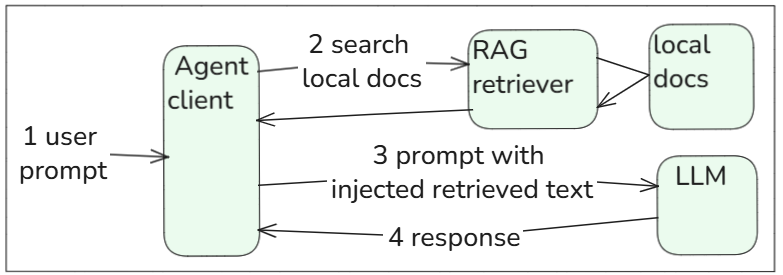
Agent retrieves text/context and injects it into the prompt
3 MCP
Without TF/UFA capabilities: MCP degenerates into ordinary API plumbing.
The entire value of MCP is dynamic semantic interaction with tools/context.
- understand available tools
- infer which tools matter
- synthesize proper usage
- maintain contextual workflows
- integrate returned information semantically.
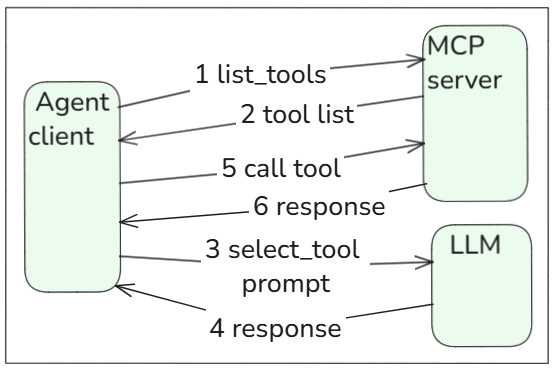
Agent uses AI to select the required tool based on the human language tool description from the MCP server
26.0520